A content design system that unified 70+ surfaces across an entirely new operating system — and made measurable improvements to feature adoption from users.
The challenge
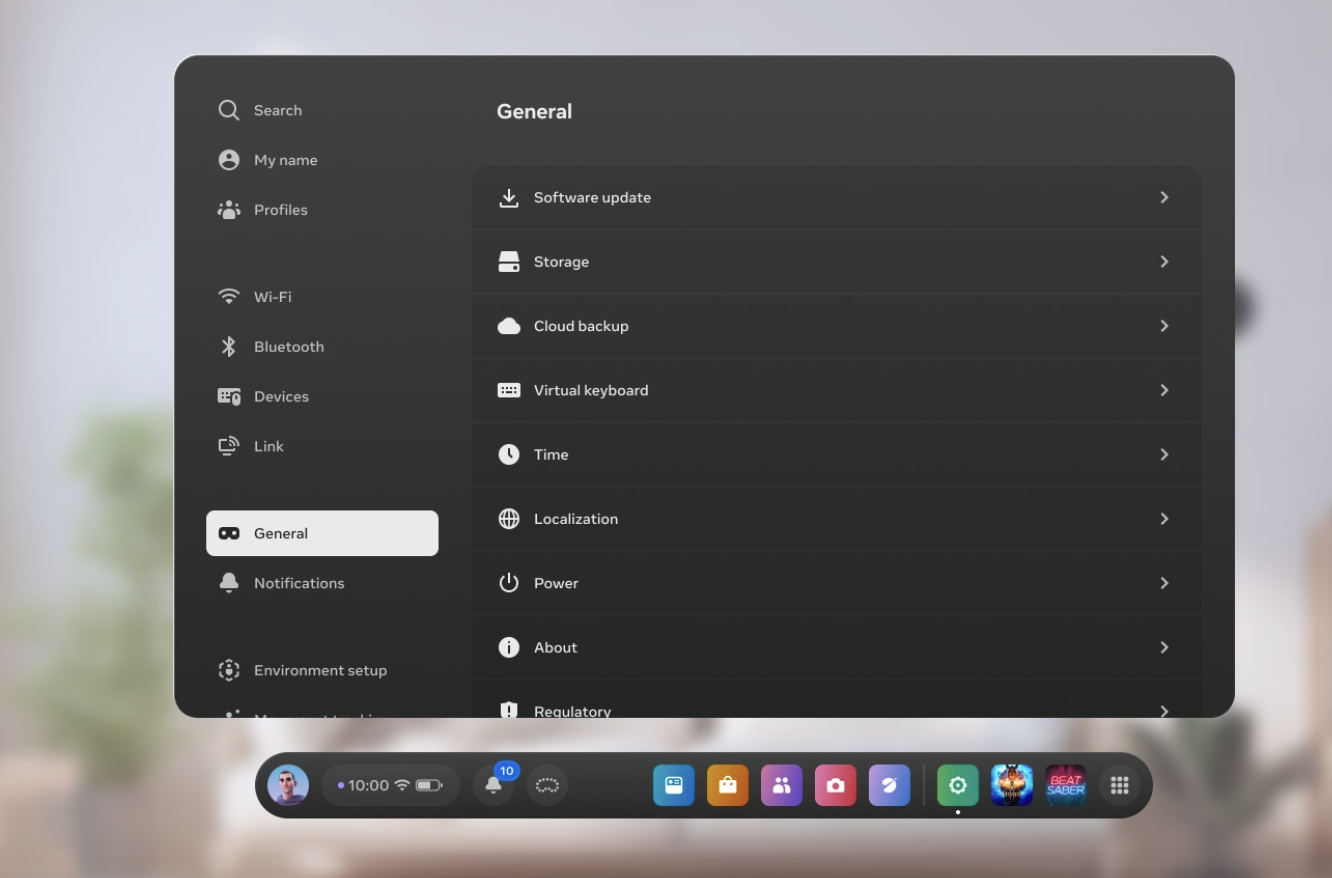
While HorizonOS was being built from scratch, there was a severe lack of foundational content design patterns that was leading to user frustration and across pivotal control surfaces, privacy flows, and device management screens were being designed team by team, surface by surface — with no shared voice, no standardized terminology, and no consistent UI element patterns to draw from.
For users, this meant navigating an OS where the same concept might be labeled three different ways depending on which feature team had shipped it. For content designers, it meant re-solving the same problems repeatedly. And for new features, it meant slow rollout because there was no established playbook to build from.
What I did
I built and owned the internal Reality Labs styleguide for device Settings — the authoritative reference for voice, terminology, and reusable UI element patterns across the HorizonOS ecosystem. This wasn't documentation after the fact; it was a living system I developed alongside the product, standardizing decisions as they were made and backfilling consistency across existing surfaces.
The styleguide covered every Settings surface type: toggles, pickers, sliders, permission prompts, privacy disclosures, error states, and more — across 70+ individual surfaces. I worked with privacy, legal, and engineering teams to ensure accuracy throughout, and with design systems to codify patterns that could be reliably handed off to new features from day one.
The result
New feature adoption across Settings surfaces increased by 17% following the standardization rollout — a direct signal that consistent, predictable language makes it easier for users to understand and engage with what's new.
The patterns I established became the foundation for the Navigator redesign, the MetaAI integration, and every third-party hardware partnership that launched afterward.